

Wisdom Tooth Recovery Tips: Speed Up Healing After Extraction
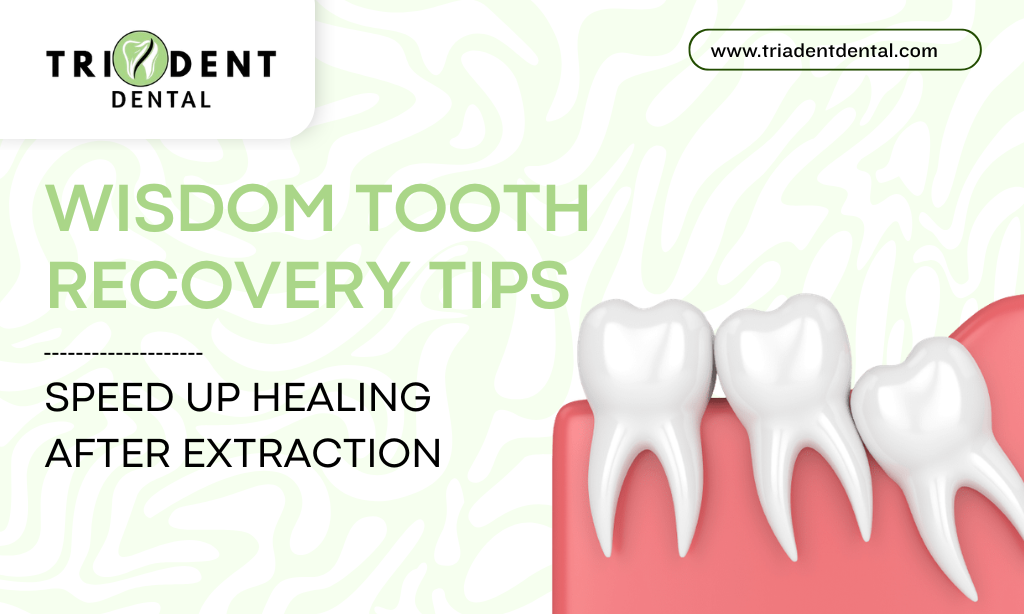
Wisdom tooth extraction is a common dental procedure, but the recovery process plays a crucial role in how quickly and comfortably you heal. Many patients search for reliable wisdom tooth recovery tips to reduce pain, prevent complications, and get back to their normal routine as soon as possible. While some discomfort and swelling are expected after the procedure, following the right aftercare steps can make a significant difference in your recovery experience. In this guide, we’ll walk you through everything you need to know to heal properly after wisdom tooth removal. What to Expect After Wisdom Tooth Extraction After wisdom tooth removal, it’s normal to experience mild bleeding, swelling, and discomfort, especially within the first 24 to 48 hours. Your body begins the healing process immediately, forming a blood clot at the extraction site to protect the area and promote tissue repair. Swelling may peak around the second or third day and gradually decrease afterward. Most patients start feeling significantly better within a few days, while full healing typically takes one to two weeks. Understanding what is normal during recovery can help you stay calm and follow proper care instructions. Top Wisdom Tooth Recovery Tips for Faster Healing Following these essential wisdom tooth recovery tips can help minimize discomfort and speed up healing. One of the most important steps is controlling bleeding. After the extraction, your dentist will place gauze over the area. Gently biting down on the gauze helps form a stable blood clot. Avoid spitting or rinsing aggressively during the first 24 hours, as this can dislodge the clot and delay healing. Managing swelling is also key. Applying an ice pack to the outside of your cheek during the first day can reduce inflammation. After the first 24 hours, switching to a warm compress may help improve circulation and ease discomfort. Your diet plays a major role in recovery. Stick to soft foods that are easy to chew and swallow, such as yogurt, smoothies, mashed potatoes, and soups. Avoid hot, spicy, or crunchy foods that may irritate the extraction site. Maintaining oral hygiene is important, but it must be done carefully. Avoid brushing directly over the extraction area for the first day. After 24 hours, you can gently rinse your mouth with warm salt water to keep the area clean and reduce the risk of infection. It’s also essential to avoid smoking, alcohol, and using straws during the recovery period. These actions can disturb the healing process and increase the risk of a painful condition known as dry socket. Finally, take all medications as prescribed by your dentist. Pain relievers and antibiotics, if recommended, help manage discomfort and prevent infection. Foods to Eat and Avoid After Wisdom Tooth Removal Choosing the right foods can make your recovery smoother and more comfortable. Soft, nutritious foods are ideal during the first few days after surgery. Options like smoothies, applesauce, scrambled eggs, oatmeal, and well-cooked pasta are gentle on the healing area. Staying hydrated is equally important, but you should drink directly from a cup instead of using a straw. Hard, crunchy, and sticky foods should be avoided, as they can irritate the wound or get trapped in the extraction site. Foods like chips, nuts, popcorn, and chewy candies can slow down the healing process and increase discomfort. Common Mistakes to Avoid During Recovery Even small mistakes can delay healing or lead to complications. One of the most common errors is smoking too soon after extraction, which can interfere with blood clot formation. Using a straw is another mistake to avoid. The suction created can dislodge the clot and lead to dry socket, a painful condition that requires additional treatment. Skipping medications or ignoring aftercare instructions can also increase the risk of infection. Some patients may neglect oral hygiene out of fear, but keeping your mouth clean (carefully) is essential for proper healing. Avoid touching the extraction site with your fingers or tongue, as this can introduce bacteria and disrupt the healing process. How Long Does Wisdom Tooth Recovery Take? Recovery time varies depending on the complexity of the extraction and your overall health. For most patients, the initial healing phase lasts about three to five days, during which swelling and discomfort gradually decrease. Within one to two weeks, the gums typically heal, and normal activities can be resumed. However, deeper healing of the bone may take longer. Following proper wisdom tooth recovery tips can significantly reduce recovery time and improve your overall experience. When to Contact a Dentist While most recoveries are smooth, it’s important to recognize signs that may require professional attention. Contact your dentist if you experience severe pain that worsens after a few days, excessive bleeding that doesn’t stop, or signs of infection such as fever, swelling, or a bad taste in your mouth. Early intervention can prevent complications and ensure proper healing. Wisdom Tooth Extraction Cost in Ottawa In addition to recovery concerns, many patients also ask about the cost of wisdom tooth removal. In Ottawa, the average pricing typically ranges as follows: The cost depends on factors such as the position of the teeth, the level of impaction, and whether sedation is required. The exact cost of wisdom tooth extraction in Ottawa can only be determined after a dental examination and X-rays. Each case is unique, and your dentist will provide a personalized treatment plan based on your needs. Wisdom Tooth Removal & Aftercare at Triadent Dental in Ottawa At Triadent Dental, we provide safe, gentle, and professional wisdom tooth removal along with detailed aftercare guidance to support a smooth recovery. As a trusted dental clinic in Ottawa, our experienced team focuses on minimizing discomfort and helping patients heal quickly with proper care. We understand that patients often have concerns about both recovery and treatment costs. That’s why we offer transparent consultations before any procedure. The exact cost of your wisdom tooth extraction will be determined after a thorough examination and digital X-rays, allowing us to assess the complexity and recommend the most appropriate
Tooth Extraction Cost In Ottawa: What You Should Expect
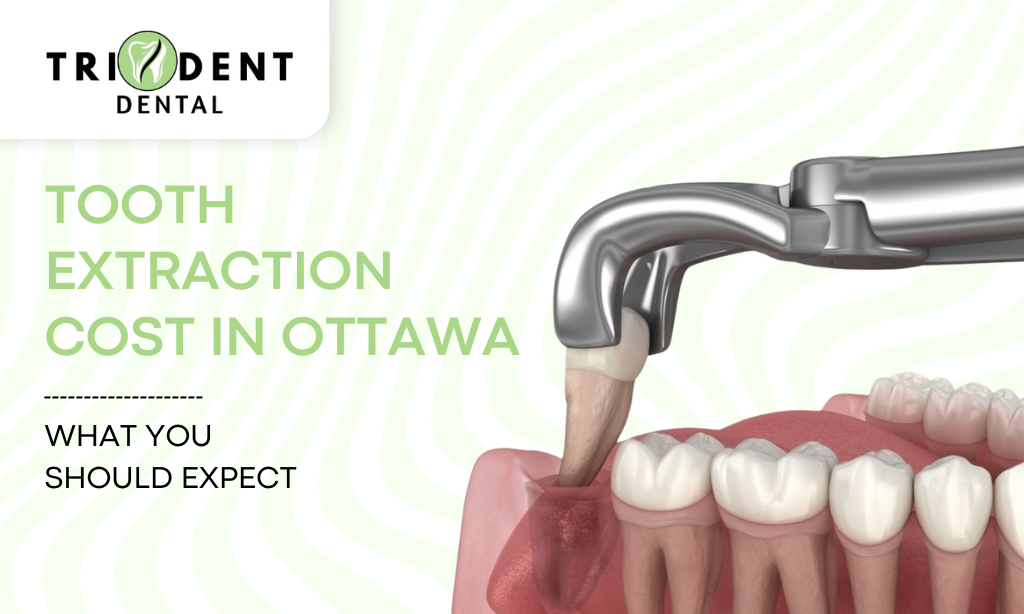
Tooth extraction is a common dental procedure that may be necessary to protect your overall oral health. Whether due to severe decay, infection, crowding, or impacted wisdom teeth, removing a problematic tooth can relieve pain and prevent further complications. One of the most frequently asked questions patients have is about the tooth extraction cost and what factors influence the final price. If you’re considering treatment, understanding the average tooth extraction cost in Ottawa and what to expect can help you make an informed decision. What Is a Tooth Extraction? A tooth extraction is the process of removing a tooth from its socket in the jawbone. Dentists typically recommend extraction when a tooth is too damaged to be repaired with treatments like fillings, crowns, or root canal therapy. There are two main types of tooth extraction. A simple extraction is performed when the tooth is visible and easily accessible. A surgical extraction is required when the tooth is broken, impacted, or has not fully erupted through the gums. Although tooth extraction is often a last resort, it is sometimes the best way to eliminate infection, relieve discomfort, and protect surrounding teeth. Average Tooth Extraction Cost in Ottawa The tooth extraction cost in Ottawa can vary depending on the type of procedure and the complexity of the case. On average, patients can expect the following price ranges: Simple extractions are generally more affordable because the tooth is fully visible and easier to remove. Surgical extractions, on the other hand, involve more time, precision, and sometimes minor surgery, which increases the cost. These price ranges are typical for dental clinics in Ottawa, but it’s important to remember that every patient’s situation is different. NOTE:The exact tooth extraction cost can only be determined after a professional dental examination and X-rays. The position of the tooth, the level of difficulty, and your overall oral health will all influence the final cost. What Factors Affect Tooth Extraction Cost? Several factors play a role in determining how much your tooth extraction will cost. Type of Extraction A simple extraction is quicker and less complex, while a surgical extraction requires more advanced techniques. Naturally, surgical procedures tend to cost more. Tooth Position and Condition Teeth that are impacted, broken below the gumline, or located in hard-to-reach areas are more difficult to remove. This increases both the time required and the overall cost. Number of Teeth Being Removed The cost will increase if multiple teeth need to be extracted during the same visit. However, some clinics may offer bundled pricing for multiple extractions. X-rays and Dental Examination Diagnostic tools such as digital X-rays are essential for planning the procedure safely. These may be included in the total cost or billed separately. Sedation or Anesthesia Depending on your comfort level and the complexity of the extraction, sedation options may be recommended. This can add to the overall cost but improves patient comfort during the procedure. Is Tooth Extraction Covered by Insurance or Government Programs? In many cases, dental insurance plans in Canada provide partial coverage for tooth extractions, especially when the procedure is medically necessary. Coverage typically ranges from 50% to 80%, depending on your plan. Additionally, eligible patients may benefit from the Canadian Dental Care Plan (CDCP), which helps make essential dental treatments more accessible and affordable. Coverage under CDCP depends on eligibility and the type of procedure required. It’s always a good idea to review your insurance benefits or speak with your dental clinic to understand your coverage before treatment. What Happens After Tooth Extraction? (Additional Costs to Consider) After a tooth is removed, your dentist may recommend replacing it to maintain proper function and prevent shifting of nearby teeth. Common tooth replacement options include dental implants and dental bridges. These treatments restore both appearance and function but involve additional costs beyond the extraction procedure. In some cases, especially for wisdom teeth removal, no replacement is needed. Your dentist will guide you based on your individual situation. Is Tooth Extraction Worth the Cost? While no one wants to lose a tooth, extraction can be essential for protecting your overall oral health. Removing a severely damaged or infected tooth helps eliminate pain, prevent the spread of infection, and avoid more serious complications. In many cases, delaying extraction can lead to higher treatment costs in the future, especially if the infection spreads or damages surrounding teeth and bone. Addressing the issue early is often the most cost-effective and health-conscious decision. Recovery and Aftercare Tips Recovery after a tooth extraction is usually straightforward when proper care is followed. Most patients experience mild discomfort for a few days, which can be managed with medication and rest. To promote healing: Healing time varies, but most patients recover within one to two weeks. Tooth Extraction Services at Triadent Dental in Ottawa At Triadent Dental, we provide safe, gentle, and professional tooth extraction services tailored to each patient’s needs. As a trusted dental clinic in Ottawa, our experienced team focuses on ensuring your comfort while delivering high-quality care. We understand that many patients are concerned about tooth extraction cost, which is why we offer clear and transparent consultations before beginning any treatment. The exact cost of your extraction will be determined after a detailed dental examination and X-rays, allowing us to assess the complexity of your case and recommend the most appropriate solution. Our services include simple tooth extractions, surgical extractions, wisdom teeth removal, and emergency dental care. We also offer tooth replacement options such as dental implants and bridges to help restore your smile after extraction. Conveniently located in Ottawa, Triadent Dental is committed to providing comfortable and patient-focused dental care. Conclusion: What You Should Expect The tooth extraction cost in Ottawa typically ranges between $150 and $700+, depending on the type and complexity of the procedure. More advanced cases, such as impacted wisdom teeth, may cost more. However, the final cost can only be confirmed after a professional dental evaluation. Tooth extraction is often necessary to relieve pain and protect your long-term
Facts About Wisdom Teeth: Everything You Need To Know

Wisdom teeth are one of the most talked-about topics in dentistry and for good reason. These third molars often cause confusion, discomfort, and concern, especially when they begin to emerge during the late teenage years or early adulthood. Learning the facts about wisdom teeth can help you understand what to expect, recognize potential problems early, and make informed decisions about your oral health. In this blog, we’ll cover the most important facts about wisdom teeth, common issues associated with them, and when professional dental care may be necessary. What Are Wisdom Teeth? Wisdom teeth are the third and final set of molars located at the back of your mouth. Most people can have up to four wisdom teeth, two on the top and two on the bottom. They usually begin to appear between the ages of 17 and 25, a stage of life historically associated with maturity or “wisdom,” which is how they got their name. While wisdom teeth were helpful to our ancestors who had larger jaws and ate tougher foods, modern diets and smaller jaw sizes mean many people no longer have enough space for them to grow properly. Interesting Facts About Wisdom Teeth Understanding these facts about wisdom teeth can explain why they often cause dental problems today. Not Everyone Gets Wisdom Teeth One surprising fact is that not everyone develops wisdom teeth. Some people may have fewer than four, while others never develop them at all. Genetics play a significant role in whether wisdom teeth form. Wisdom Teeth Were Useful for Our Ancestors Early humans relied on wisdom teeth to help grind down coarse foods such as roots, nuts, and raw meat. Over time, human jaws became smaller due to changes in diet, making wisdom teeth less necessary and more problematic. Wisdom Teeth Can Erupt at Different Times While most wisdom teeth appear in late adolescence or early adulthood, some may erupt later in life. In certain cases, wisdom teeth remain fully hidden beneath the gums or bone and may never cause noticeable symptoms. Common Problems Associated with Wisdom Teeth Although wisdom teeth don’t always cause issues, they are often linked to a range of dental problems. Impacted Wisdom Teeth One of the most common issues is impaction. Impacted wisdom teeth are trapped beneath the gum or jawbone because there isn’t enough room for them to emerge properly. They may grow at an angle, horizontally, or partially break through the gums. Pain, Swelling, and Infection Partially erupted wisdom teeth can create openings in the gums where bacteria collect, leading to infection. This condition, known as pericoronitis, can cause pain, swelling, bad breath, and difficulty chewing. Crowding and Damage to Nearby Teeth Wisdom teeth can push against neighboring molars, causing crowding, shifting of teeth, or damage to existing dental work. This pressure can also increase the risk of cavities and gum disease in hard-to-clean areas. Signs You May Need Wisdom Teeth Removal Not all wisdom teeth need to be removed, but certain symptoms may indicate that extraction is necessary. These include persistent pain at the back of the mouth, swelling or redness around the gums, difficulty opening your mouth, frequent headaches, or an unpleasant taste caused by infection. Repeated infections, cyst formation, or damage to adjacent teeth are also strong indicators that wisdom teeth removal may be recommended by a dentist. Facts About Wisdom Teeth Removal There are many misconceptions surrounding wisdom teeth extraction. Here are some important facts about wisdom teeth removal to keep in mind. Removal Is Not Always Required If wisdom teeth grow in properly, are fully erupted, and can be cleaned effectively, they may not need to be removed. Regular dental checkups and X-rays help monitor their condition. Younger Patients Often Recover Faster Wisdom teeth removal is commonly recommended during the late teens or early twenties because the roots are less developed, and healing tends to be faster with fewer complications. Recovery Is Usually Manageable Most patients experience mild swelling and discomfort for a few days following extraction. With proper aftercare, including rest and good oral hygiene, recovery is typically smooth. How to Care for Wisdom Teeth Good oral hygiene is essential, especially when wisdom teeth are present. Brushing carefully around the back of the mouth, flossing daily, and using an antibacterial mouthwash can help prevent infection. Regular dental visits allow your dentist to monitor wisdom teeth and identify potential issues early through X-rays and examinations. Wisdom Teeth Care at Triadent Dental in Ottawa At Triadent Dental, we provide comprehensive wisdom teeth care in a comfortable and patient-focused environment. As a trusted dental clinic in Ottawa, our experienced team offers detailed evaluations to determine whether your wisdom teeth require monitoring or removal. Our services include wisdom teeth assessments, tooth extractions, digital dental X-rays, and post-extraction care to ensure a smooth and stress-free experience. We focus on gentle techniques, clear communication, and personalized treatment plans designed around your oral health needs. Conveniently located in Ottawa, Triadent Dental is committed to helping patients maintain healthy smiles at every stage of life. Conclusion: Key Facts About Wisdom Teeth to Remember Wisdom teeth don’t have to be a source of anxiety. By understanding the key facts about wisdom teeth, you can recognize early warning signs and seek timely professional care. While some wisdom teeth grow in without issues, others may require removal to protect your oral health. Regular dental checkups and expert guidance are essential for making the right decision. If you have questions or concerns about your wisdom teeth, consulting a dental professional is the best way to ensure long-term oral health and comfort.

